Feel free to touch the paint

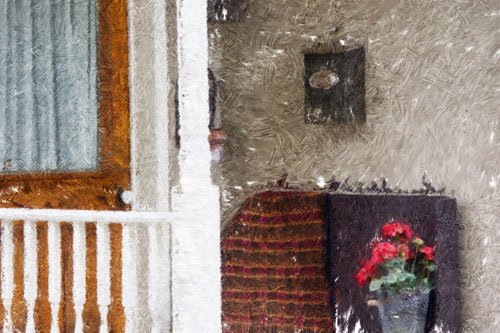
My brother is an academician who studies Mormon missionaries – why they are so dedicated to their mission, what it is like to be one, etc.  He himself is not Mormon but has had a long standing interest in that religion.  He told me about a couple of young missionaries who were going door to door in a small town.  They walked up the sidewalk of this one house and across the front porch.  They knocked on the door and after a few moments it was opened by a very irate man who said ‘What’s the matter with you?   I just painted the porch and can’t you see that paint’s still wet?  Who are you and what do you want?’   Thinking fast, one of the missionaries said ‘We’re Jehovah’s Witnesses and we’ll come back another time!  Sorry to have walked on your wet paint!’
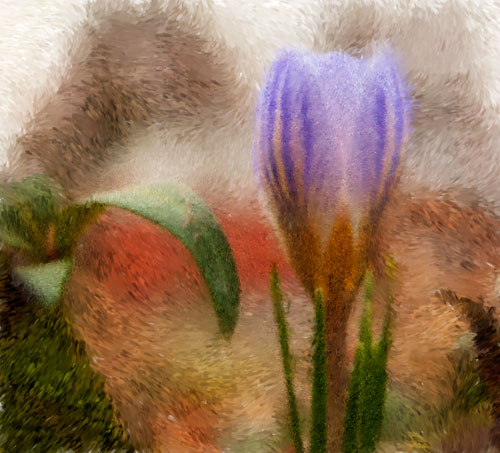

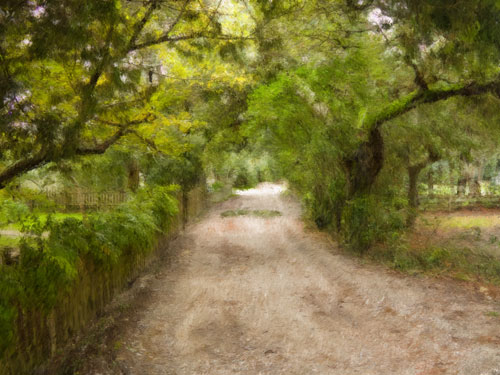
I’ve been working with Corel Painter 11 along with Photoshop and have been so immersed in it I haven’t even been out to shoot much let alone write about it.  Lots of paint here but no wet paint.
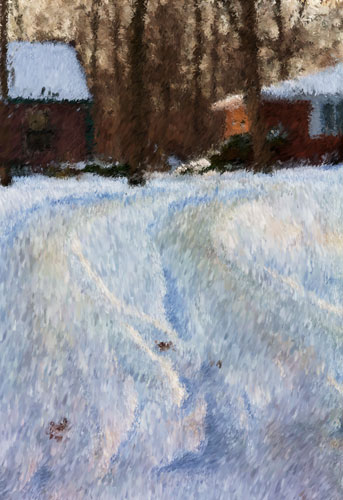

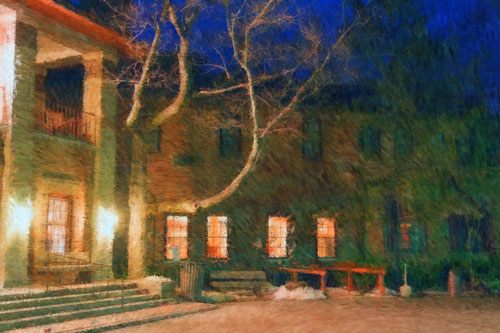
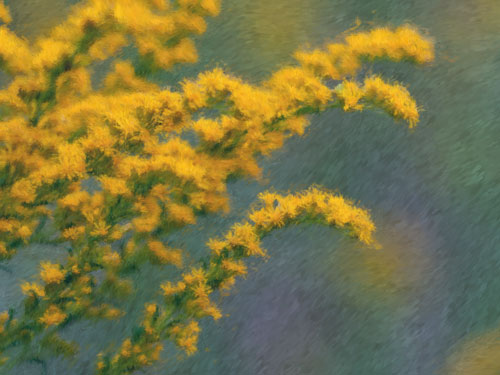
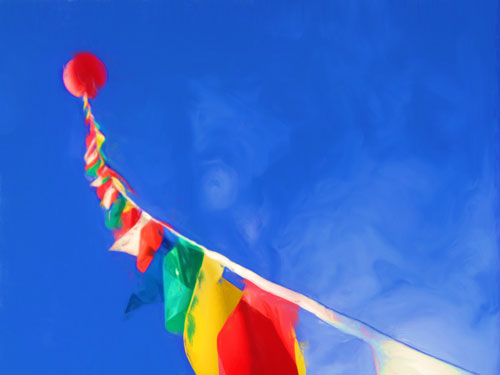
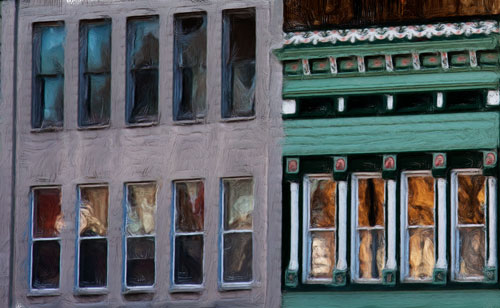
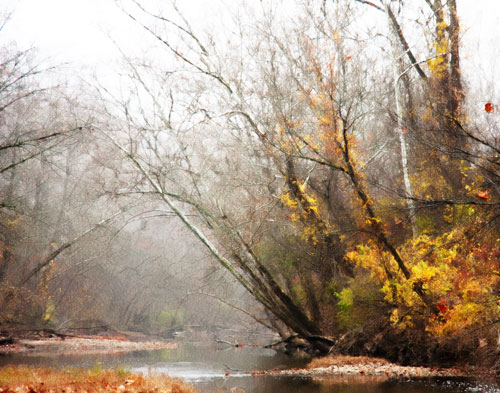
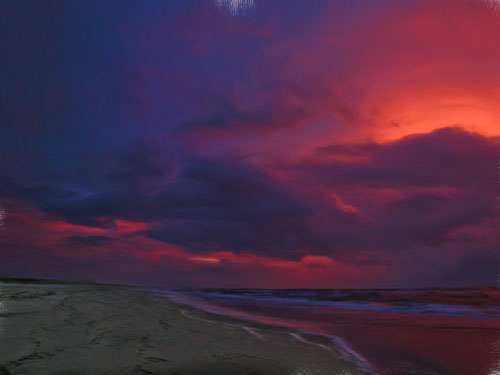
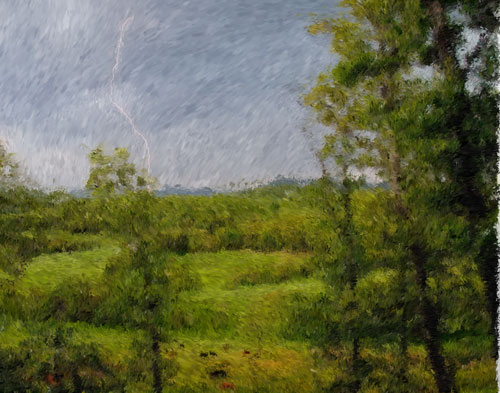
One of the first things I found out about this program is that it destroys details and presents pretty much only the larger elements along with tonality and color.


In other words, it puts a high premium on basic composition.
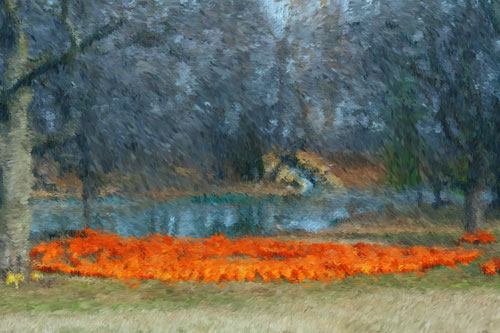

One quickly finds out that ‘it don’t mean a thing if it ain’t got that swing.’  And the swing here is composition.

I’m starting to get it.  The good thing about it is that many elements of composition can be learned.  Probably not all of them, certainly not all of them, but enough that any photographer or painter can improve.

Painter is almost as complicated as Photoshop so the learning curve is long.  But one can do enough right from the start to provide encouragement.

I’ve mentioned before that I’ve always wanted a painterly effect in my work and now that possibility is here in spades.

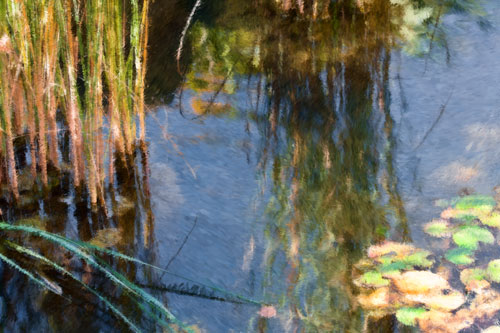
We had a lot of rain night before last and there were puddles in the driveway.  As soon as I saw them I knew I had to photograph them.  I’ve photographed puddles before and been disappointed because too much detail showed.  Gravel and blacktop aren’t that interesting to look at.  That’s changed now that I am using a paint program.
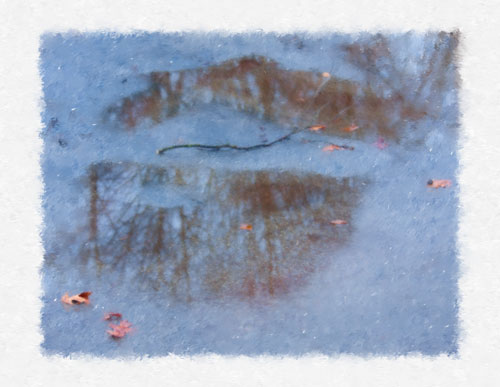

It’s fascinating to notice that I’m looking at the world differently now.  I’m not sure how to describe it, but having some idea of what I can do with images – standard photographic techniques and now painterly effects – affects what I look for.


Makes for a larger world. And it’s a world where the paint doesn’t need to dry.

What is there and what you see

Photo Venture Camera Club went to Garfield Park in Indianapolis to photograph flowers and foliage in the conservatory yesterday.  This is always a good trip.


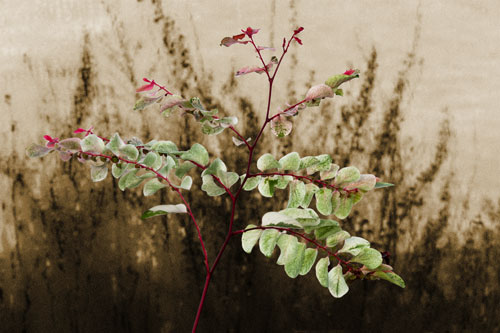
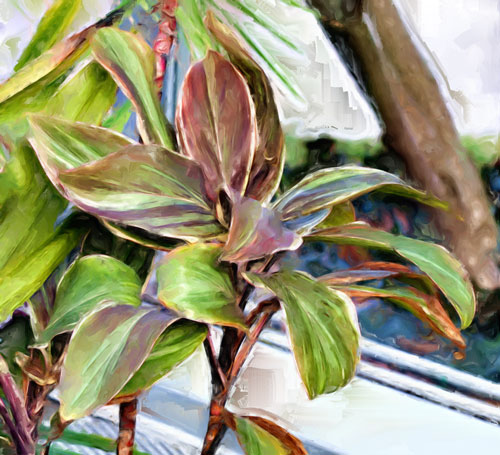
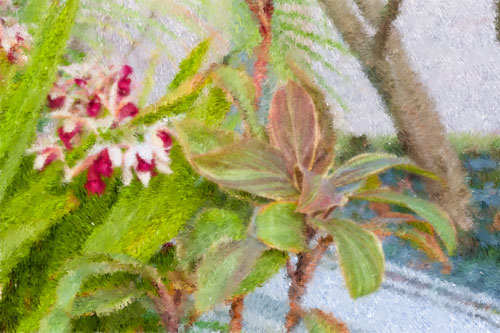
A friend and I were talking as we were shooting and he said that his wife asked why he photographed leaves.  He responded that he was attracted by the textures, colors, shapes, etc.; in other words, aspects we see but which do not translate easily into words.  The leaves were more a platform for exhibiting these features than they were objects in and of themselves, at least for my friend.  I suspect that is a problem for some photographers – they go out to photograph, say, leaves, and don’t get much because they are not attending to the light, the shapes, colors, textures etc., aside from the label ‘leaves’.  I bring this up because it can be hard to avoid getting trapped by the words.


Words are important as ingredients of communication but unless one is doing documentary photography where it is extremely important to show exactly what is there – the aftermath of a storm, the condition of a house that is for sale, an accident scene – the features of the scene – the light, textures, shapes, colors – are often more important than the fact that we are photographing leaves, trees, reflections in water.


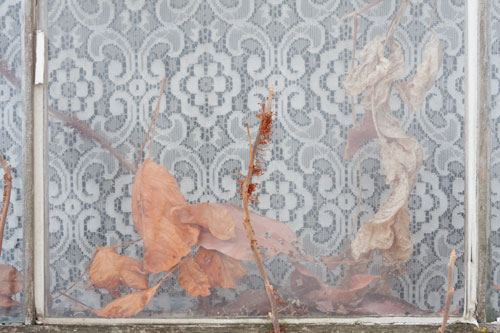
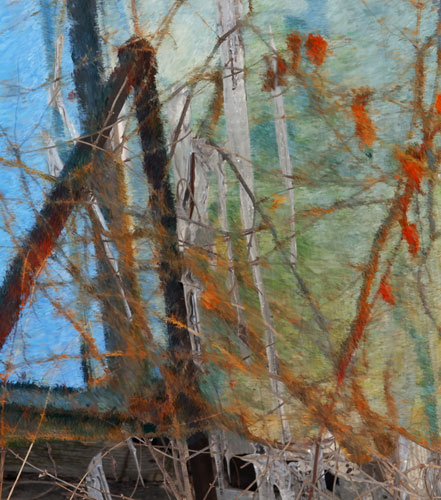
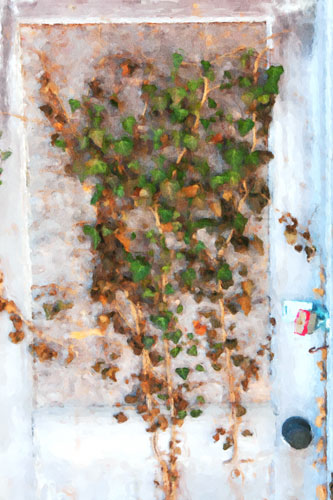
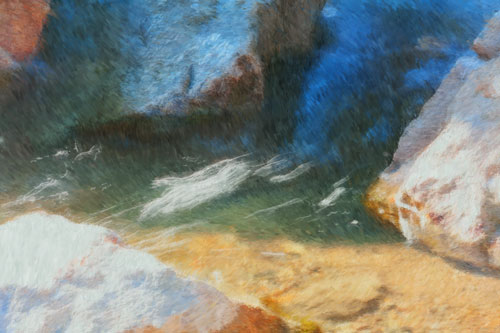
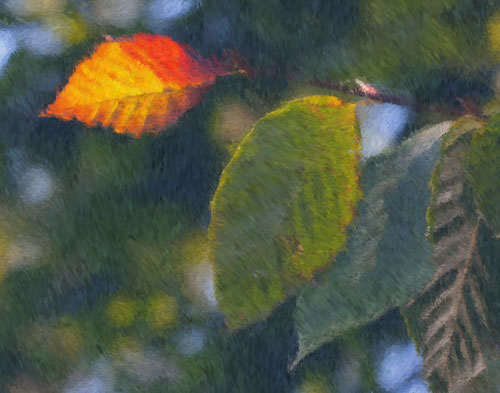
As you can see from the examples I have shown so far, I don’t think it too important to represent what I saw as objects so much as platforms for the features.

On the way home it struck me that maybe this is at least part of the answer why photographers are so often attracted to crumbling buildings.  These buildings can’t really be adequately described by words; pictures, images are needed and what is interesting about them is not so much the crumbling structures themselves but the textures, colors and shapes.

Well.  Having solved that problem we can move on to solving the problem of bringing peace to the world.


On second thought, let’s save that problem for another day.

Turkey Run

Ellie and I spent a few days at Turkey Run State Park.  The weather was decent and it was good to get away.


They were running a two-nights-for-the-price-of-one deal and as we drove around the park on first arriving, Ellie’s comment was ‘no wonder it’s two for one, half the roads are closed here.’  But we did have a good time.


I wasn’t anxious to go off on the icy trails by myself so I stayed fairly close to the roads.


Even so there were good opportunities for photography.


I was going to throw this next one out but I think it works.


It’s good to get out.

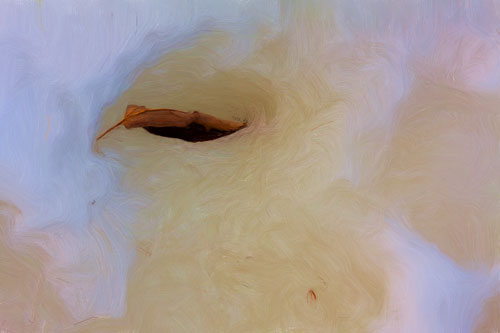
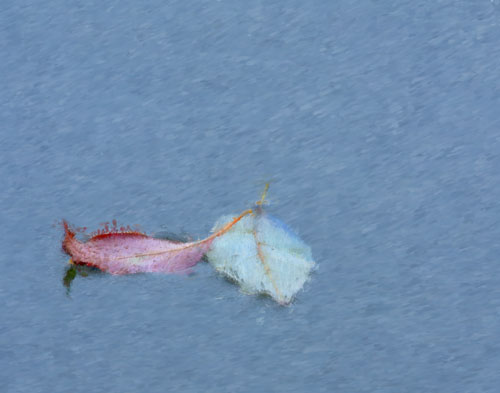
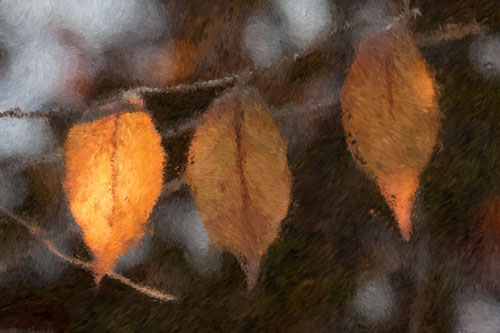
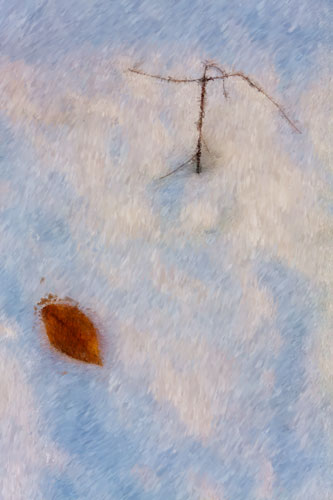
The leaf stuck in the ice might feel that way too.

A good day

Several of us were at church this morning digging out the driveway and enough of the parking lot that people could be dropped off in front of the church.  Two inches of hard, tight ice is difficult to remove.  While we were getting organized and the guys who were going to be using the rental frontloader were figuring out how to use it, I did a little photography.


The frontloader was equipped with a device on the back with large teeth.  The idea was that the teeth would break through the ice and as it was pulled along, the ice would come up.  The ice was not impressed.


So several of us attacked the ice with pickaxes, shovels, etc. while a snowplow on a garden tractor, a soil cultivator and the frontloader all peeled back the ice a little bit at a time.


Various ideas were proposed, including building a 10 foot wide parabolic mirror to focus the rays of the sun on the ice and drilling holes in the ice and loading them with M-80 fireworks.  Then we went back to work with the pickaxes and the shovels.

All this photography, by the way, was done before we got organized.


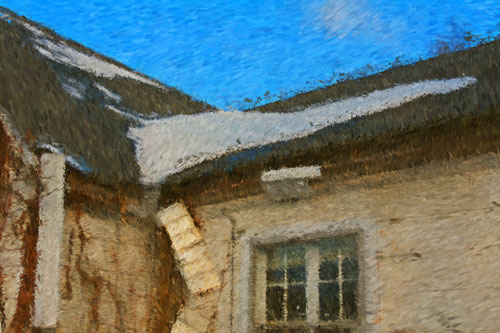
There is an abandoned house next to the church.  It called.  I answered.


If you are wondering when I will quit obsessing with impressionistic painting techniques, the answer is I don’t know.


I’m enjoying it though.  I hope I’m not as stiff in the morning as I am now.

Seems like a day for Impressionism

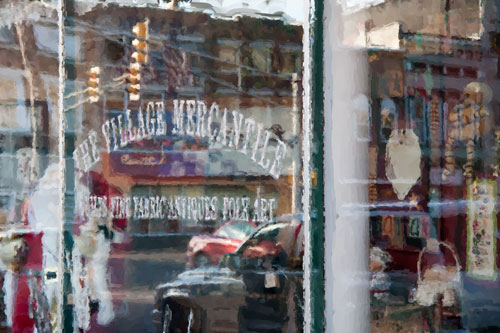
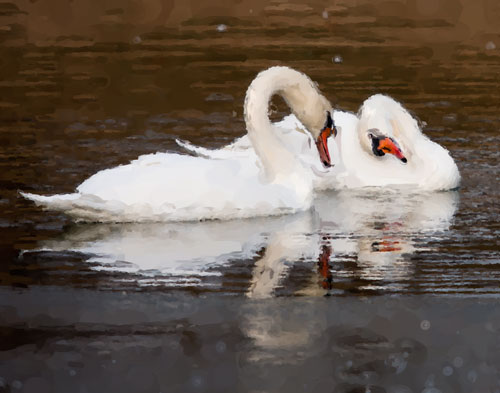
It’s snowing.  I’ll probably go out later today to do some shooting but right now I’ve been looking at older images and applying an Impressionist effect to them with Corel Painter Essentials and Photoshop.


I’m not pining for summertime even with two inches of ice on the ground, and more importantly, ice piled on the roof and in the gutters.  Also, we’ll be getting two to four inches of snow today.  But for some reason, Impressionism, which I normally associate with warm weather, seems the order of the day.


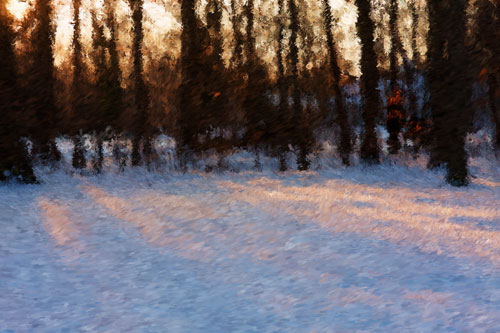
In keeping with the season, the above shot was made in early January.
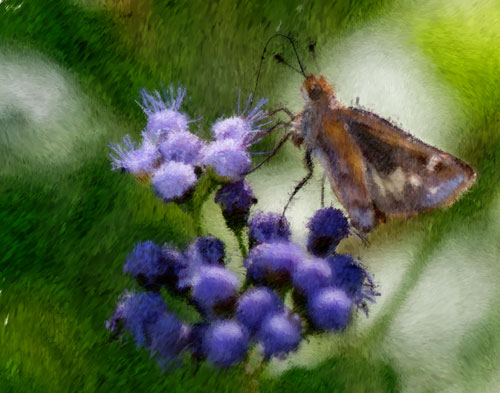

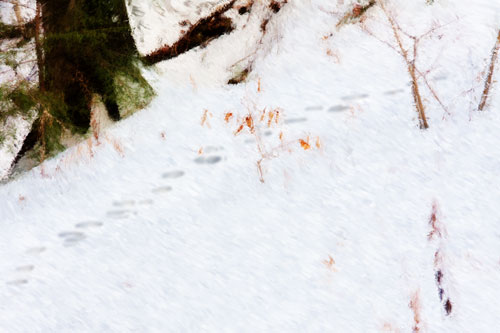
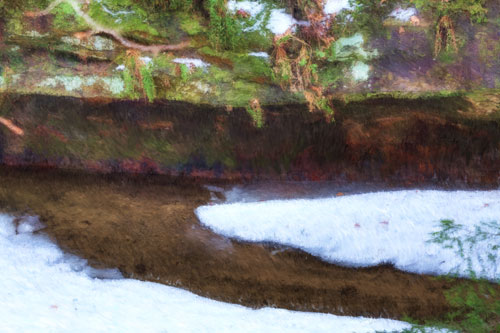
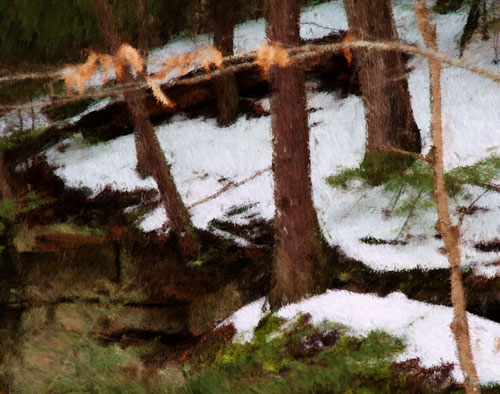
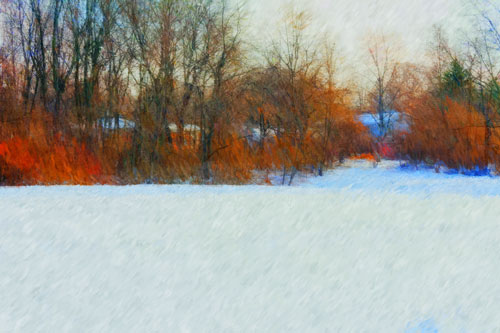
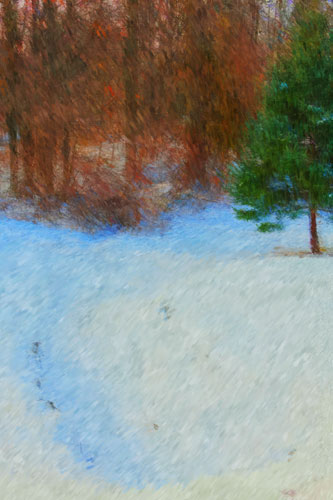
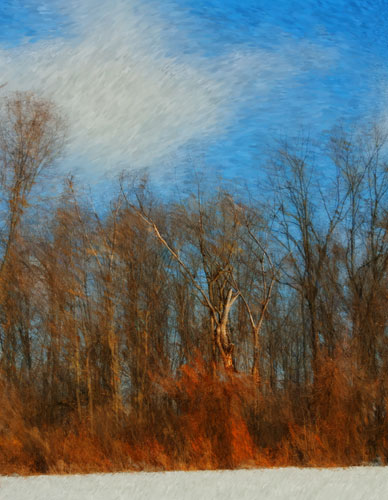
The season in these images is pretty obvious.


Gesundheit.


I don’t think Monet would eat his heart out after seeing this one unless he felt in some way responsible for it.


I know this one is over the top but I still like it.  Time to go get cold.

Need to simplify composition

As photographers, and I will stress, consumers, we pant after the next version of the ‘the best camera to come along in a long time’.  Meaning that the best camera to come along that I can afford (I’m willing to sacrifice to make that purchase) will cost a lot of money and, because it has more pixels, better color rendition, etc., etc., I will need to get better lenses (read in the thousands of dollars apiece).  This would mean that I can capture more detail, more sharply.


Then along comes the ability to apply painterly effects to the image.  Now the game changes.  One of the things a paint brush doesn’t do well, compared with a camera, is record fine detail in relatively small images, that is, images under, say, two feet by three feet.  But who cares?  Jumping back into the consumer frame of reference, paintings, when they are sold, go for more than photographs.  That is, purchasers are expressing preferences in concrete terms and those preferences are not favoring fine detail.  So if I want to produce something people like, and more importantly what I like, what’s the need for the expensive camera and lens?


As you may know, I’ve been obsessing for the last week or so over Corel’s Painter Essentials 4 which allows controlled application of painterly effects to digital image files.  The first thing the program does is to blur the image to some extent, wiping out some of the detail.


So if detail is gone, or at least disappearing, what do we do when looking through the viewfinder at a scene we want to eventually turn into one of these painterly images?  The answer is we simplify the composition.


I’ve been reading Richard Schmid’s ‘Alta Prima: Everything I Know About Painting’ to see what a painter could tell photographers; after all, these painter people have been at this for hundreds of years and photography has only been around for a little over a century and a half.  His recommendation on starting the composition is to look at the scene and squint.  If you are practiced at this, you see a blurry image with a lot of the detail gone.


You see the major outlines and it turns you toward simplifying composition.  Does the blurry image look as if it has potential?  If so, take the picture or paint it, depending on whether you are a photographer or a painter.


I don’t want to come away from this post saying detail is not important.  It is very important for photography but in setting up the composition, simplicity will win out over complexity just about every time.


I wonder what cameras would be like today if the final images produced were always painterly.   There would be little need for tens of megapixels and super sharp lenses. 
Cameras could be much simpler and less expensive.


In fact there is a thread of a movement to do just that.  The iPhone has applications available to take pictures and apply painterly effects to them.  See for example the work of Rad Drew, Dan Burkholder, or Harry Sandler.  And from the other direction, serious paint artists such as David Hockney are working with the iPhone and iPad.  This is an important development.  It isn’t going to run Canon or Nikon or Adobe out of business but the simplicity it permits is a welcome innovation.  Composition is bound to improve.

Now on the assumption that my wife is reading this, I really didn’t mean that I don’t need a better camera or better lenses……..

Learning more about painting photographs

I’ve found that learning often progresses by spurts followed by a leveling off and then, if I keep at, another spurt and more leveling off.  The longer I’m at it, the more time elapses before the next spurt.  Right now I’m early in the process of learning to use Corel Painter Essentials 4, a paint program that, with a lot of choices on the user’s part, can turn a photograph into what looks like a painting.


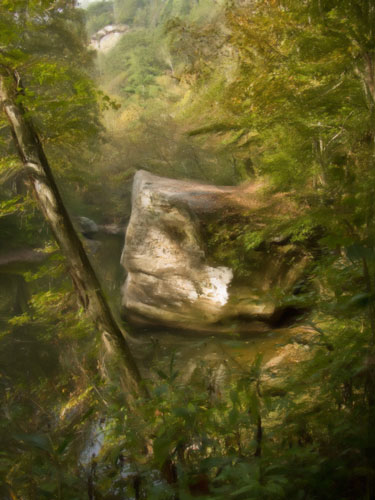
This image (above) started out as a photograph of a tree in a rock wall along the Buffalo National River in Arkansas.  Below is a spring storm on that same trip.


Here’s a hummingbird coming in to feed.


I do like this program.  And for all my complaining it isn’t hard, it just takes getting used to.


There are programs (apps) for the iPhone that do amazing things with photographs taken with the iPhone.  All the work is done in the phone and it is surprisingly good.  To see some good examples, click on the link to see Rad Drew’s work.  Be sure to look at the whole album.  For my part, I’m not tempted (yet) to get an iPhone.  I am happy to play with Photoshop and Painter Essentials.


Can’t go anywhere with my wife without seeing quilts of some kind:

I am still working on this one.


Actually I’m still working on all of them.


And I’m starting to see image possibilities with a view toward doing these ‘paintings’. More about that later.

Practice painting

Since I downloaded Corel Painter Essentials 4 I’ve been practicing with it, working at getting a feel for it.


When I’m working with Photoshop I have a pretty good idea what the effect of a particular manipulation will be.  I plan it, do it, and most of the time, there it is.  The situation with this paint program is quite different.


I don’t have a feel for this program yet.  I can’t predict what will happen when I push the button and when I can, it is often an effect I don’t want, but I have to try it to be sure. This is nothing to complain about, it is part of the process and I have to keep at it.


The rewards are there often enough to justify the effort.  Back when I taught psychology, we would talk about a random reinforcement schedule.  The rat presses the bar repeatedly but food is delivered after a random number of bar presses.  The rat works hard under this condition.  So do I.


It’s been 35 years or so since I taught regularly and I haven’t been keeping up with the literature and I wonder if the rats work better while listening to Stan Kenton.  I do.


By no means do I want this to sound as if it is drudgery.  It is not.  I’m enjoying myself but I do look forward to being able to predict the effect of a combination of painting type (oil, modern, impressionist, etc.) with brush type (smeary round, captured bristle, broad water, gritty charcoal, etc.) and color rendition (chalk, high contrast, intense, watercolor, etc.).  How do we get to Carnegie Hall?  Practice, practice, practice.

An error leads to a new path

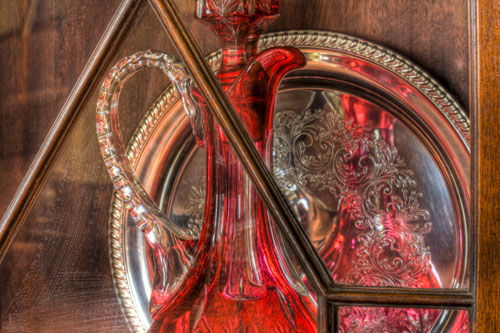
In my last post I described a camera club trip to a beautiful local church.  We did a lot of shooting in the sanctuary and I wandered off to other parts of the building.  There was a glass fronted cabinet in another room and in it were a decanter and a sterling silver tray.  They made a compelling image.  Here it is after sandwiching five images taken at different exposures.

This image is small and you may not notice the smear on the glass in the lower left corner.  Whoever cleaned the glass wiped over it but  missed a spot.  Here is a closer view:


We are definitely in the ‘whoops’ category.  I tried many things in Photoshop and nothing did a credible job of cleaning it up.  Sometimes the better strategy is not to try to eliminate a problem like that but to move in a different direction entirely and see if the effect is still so obvious.

Ever since I first picked up a camera, I’ve wanted to create what I’ve come to know as ‘painterly’ images, images reminiscent of paintings.  There are lots of paint programs for computers and I looked into them.  I found Corel Painter Essentials 4, a reduced version of Painter.  Painter is the painting equivalent of Photoshop in terms of power.  I downloaded the trial version and tried it.  There are many effects that can be done automatically and one of them is an oil painting effect.  You start with your photograph on the screen and push the button for the selected option.  The screen turns white and paint daubs and strokes appear one after another, building up to a final image.  If you are familiar with the Harry Potter series, it is as if someone waved a wand over the photograph and a brush went to work by magic.  When it was done, this was the result.


I like this image a lot.  And look at the smear in the lower left part of the image.


By no means is it gone but it is a lot less obvious.  As it turns out I will be cropping out a lot of it and I will continue to work on it so if any part of it remains, it will not be obvious.  The larger point I want to make, though, is that this program is now not only allowing me to mitigate errors, it is giving me a new way of looking at the world when I go out with a camera.

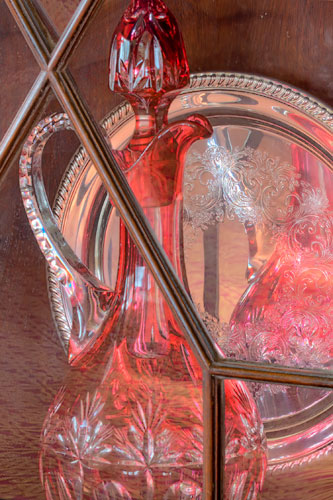
When I go out for a shoot, I often am splitting my looking at the world between what is there and what lens I am using.  If a macro lens is on the camera , I tend to look for macro images.  If a telephoto lens is on the camera, I’m looking for distant objects.  That isn’t the whole story of course, if I see something interesting that requires another lens, I’ll go for it.  But there is no doubt that my choice of images will now be affected not only by the lens and the intended final disposition as a photographic image, but I’ll also be looking for images that will work well as ‘paintings’.  Here’s one I especially like:


Would I have gone this direction, and purchased a painting program, had someone done a thorough job of cleaning that glass cabinet?  I would probably eventually have gotten there, but this speeded it up and hey, they were running a half-price offer good to the end of the month.  This is getting to be more fun by the day.

St. Paul’s Episcopal church

Indoor shooting today.  One of the members of our Photo Venture Camera Club invited us all to come shoot at his church this morning.  It was well worth the time.


A lot of stained glass and beautiful appointments here.  The cross is a central theme in any Christian church and this one is particularly beautiful.  It gives me pause, though, when I think of what the minister in my church once pointed out about the cross.  If Jesus were put to death today by authorities, they might use an electric chair or lethal injection.  Can you imagine either of those being beautified?

A lot of people were shooting in the sanctuary.  I wandered around and was attracted by bright and shiny objects in a cabinet in a common room.


The stained glass is beautiful.

St. Paul’s is well worth the visit but I still prefer the cathedral of the outdoors.


‘I love to think of nature as an unlimited broadcasting station, through which God speaks to us every hour, if we will only tune in.’ ~George Washington Carver