
“Weeds are flowers, too, once you get to know them.”
A. A. Milne


“Weeds are flowers, too, once you get to know them.”
A. A. Milne
Post number 100 and it’s time for a celebration. It’s time for National Weed Month. Well, if we can’t get a month perhaps a week or even a day.
Come the day, I’m ready.

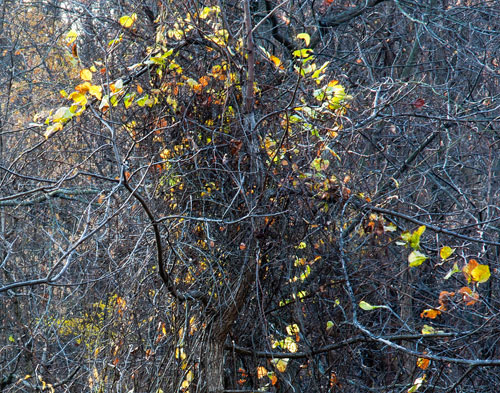

Write your member of Congress.
I’ve been getting closer and closer to the subject recently. This one might be good for Halloween.

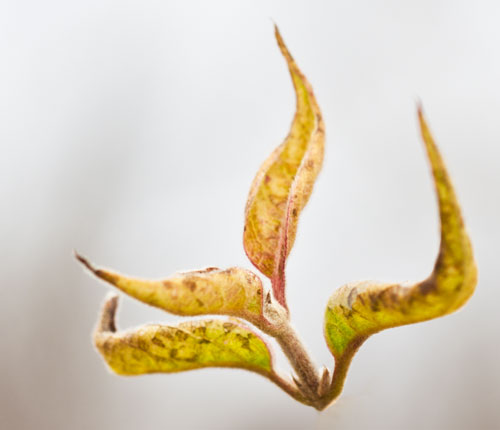
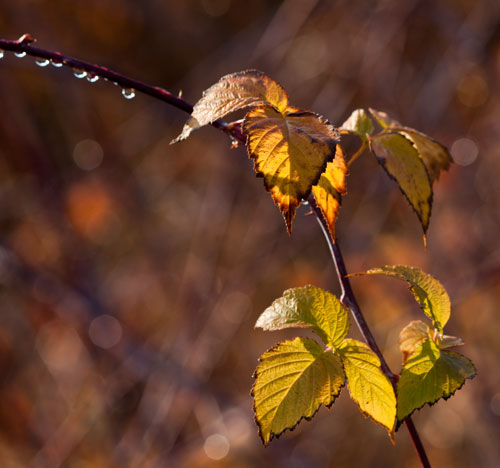
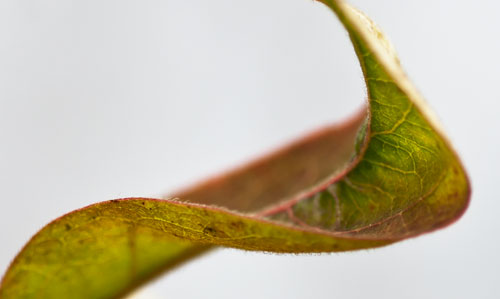
I’ve noticed that weeds, when you view them from some distance, look like weeds. But when you get close to them they don’t seem to be so much weeds as miniature beauties of some unknown variety.

They have flowering parts and graceful, colorful leaves.
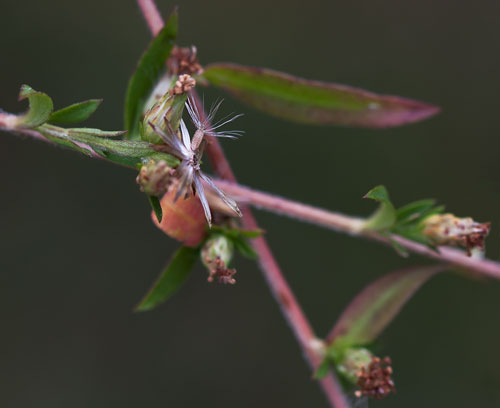
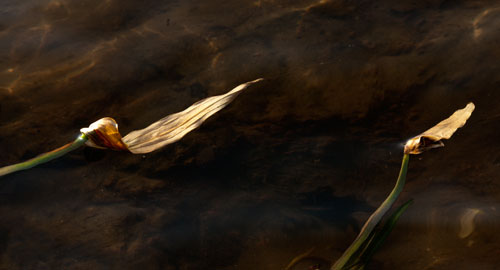
Weeds are really smart. They often feature flight-worthy mechanisms to transport the seeds away from the mother plant. Something like sending a kid off to college (or does the kid escape to college?)

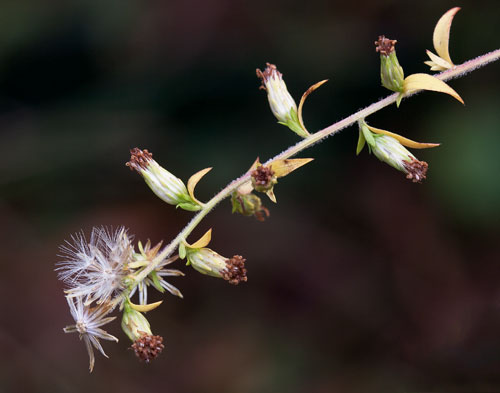
Do they look to you as if they are dancing?
This next one is titled ‘Echo’.
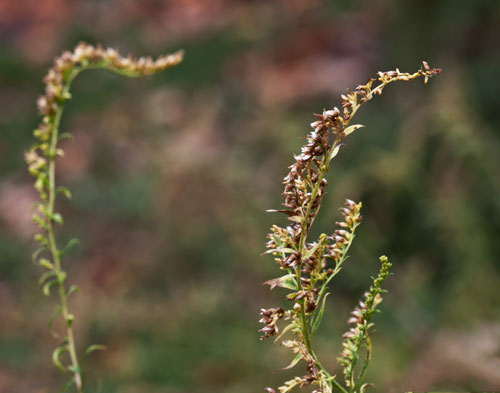
And finally here is what started this whole venture into looking closely at weeds a few days ago.

I think weeds are God’s way of keeping us in our place. All we have to do is look at them to see they have standing too.
Nice overcast sky today and the breeze wasn’t particularly strong so I went out to shoot milkweed. Milkweed is a favorite subject this time of year, it stands still and the variations in form, texture and luminosity go on and on.
Milkweed is valuable today as habitat for monarch butterflies. My wife reminded me of that and I expect I’ll be going back tomorrow to collect some seeds for our butterfly garden.
In 1944, in World War II, milkweed took on another kind of importance. The Japanese controlled what today is called Indonesia and that meant they had control of the kapok crop. Like milkweed, kapok produces a floss that was the main component in making flotation devices such as life jackets and life preservers. With a lot of the war fought on and over the seas, kapok, and its loss to the Allies, was very important.
Milkweed produces its own floss and it works about as well as kapok. Unfortunately milkweed was not a commercial crop and so people had to go out into the countryside to gather the seed pods before they burst open in the fall. With adults off to war or working in the factories, it was up to school children to gather this crop valuable to the war effort. I remember going out with my aunts and uncles (in junior high and high school) to gather them. I was five years old at the time. We knew it was important and a lot of work went into it. I have no idea how much we gathered. I do remember the large onion sacks bulging with milkweed pods. We were doing our part and I got a chance to do something important with the big kids.
It will likely rain tomorrow but I will probably go collect milkweed seeds anyway.
Fort Harrison State Park is nearby on the northeast side of Indianapolis and I stop by once in awhile to do some shooting. A couple of friends had been there recently and got some magnificent shots in a stand of walnut trees, a stand large enough to be called a plantation. I went over this morning to see if I could do as well.
All I found was row after row of trees with a lot of brush growing in between. I got a few uninspired shots and then started looking at other possibilities. I’ve noticed that, given a choice, I shoot small things rather than large ones. My defense is that there are a lot more small things than there are large things and if you are in the woods the range of lighting on small things is a lot broader than it is for large things such as trees. That’s my argument and I’m sticking with it.
There were back-lit possibilities all over the place. Here is one:
That, by the way, is the bark of a walnut tree. Two walnut trees in fact.
A problem with shooting small things, and large things for that matter, is the background. It can be pretty difficult to get the ‘right’ angle for the subject while avoiding a distracting background. The image above is OK in that regard – the background doesn’t overwhelm the subject.
But here is the problem in spades. 
There are three leaves that attracted my attention but they are lost against the background. This has happened so often that some time ago I took up removing the background altogether for some subjects. 
Exactly the same image as above but without the background. Georgia O’Keefe made the comment
Nobody sees a flower – really – it is so small it takes time – we haven’t time – and to see takes time, like to have a friend takes time. I decided that if I could paint that flower in a huge scale, you could not ignore its beauty.
I don’t do large images, I just remove the distracting part and leave the image relatively small. Removing the background certainly calls attention to the subject. Works for me. Some day I really will make images of large subjects. Just not today.
 Spirit and Seeing