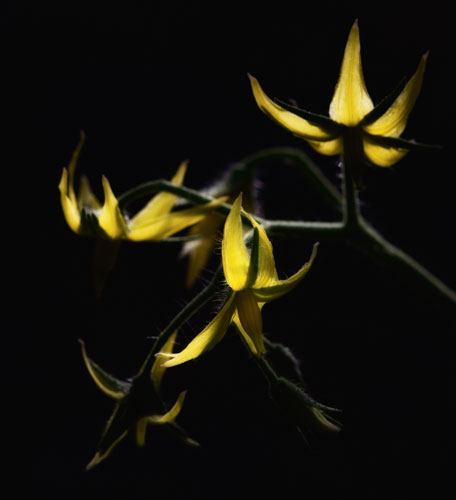
flashes of lightning
in the garden
but our drought continues
flashes of lightning
in the garden
but our drought continues
This past weekend we visited our son and his family. They had adopted a German shepherd puppy a few months back and it was time for us to visit Axl. His mother is a white shepherd and his father most likely a black and tan. White shepherds have especially large ears as you can see with Axl. If he were running into a headwind, it would be a good idea to trim his sails; he’d probably pick up three or four miles an hour.

Axl was one of nine puppies that Echo Dogs White Shepherd Rescue had taken in. Well that’s not quite accurate; they took in his mom who was pregnant. Axl and his brothers and sisters came along shortly after that.
We had lost our dog in the mid ’90’s and were dogless for a long time. But then our friend Joyce, president of Echo Dogs, visited us with Powder, a white GS who had been rescued from a puppy mill and who was down to 43 pounds before she was saved. Powder made quite an impression on that and many later visits, some at our house and some at Joyce’s in Downers Grove, IL. At Joyce’s, Joyce would sleep in her bedroom with Powder and another dog, Jazz; my wife Ellie slept in the guest bedroom and I slept on the couch in the living room (it is rumored that I snore). All these rooms are close together. When Joyce would get up in the middle of the night, Powder would visit her good friend Barry on the couch. This would be around 3:00 AM. I would wake up with a very earnest nose about two inches from mine and Powder would be telling me that we needed a dog too, preferably a white shepherd, and more preferably, one that was up for adoption.

For one reason or another, we ended up getting Prince from a breeder but he was bored after a year or so and we got him a brother who was a white GS rescue. This is Prince (on the ground) meeting Tuck for the first time.

So we have followed Powder’s recommendations in two generations of our family. Ellie and I have Prince and Tuck while our son and his family have Axl. And we still have our friend Powder.
If you are looking for a dog, please consider your local rescue organizations. They have some great companions for you.
Ever since I started in photography many years ago, I’ve wanted to create a “painterly” effect. That is, an effect that is more a poetic expression of a scene than a literal recording of it. I’ve talked about this before. The Corel Painter products I have now are very good but rather complicated and expensive unless you are really dedicated. I haven’t achieved the skill level I need to show you much with those programs but I recently found free photo sketching software that I find exciting. I want to show it to you, and if you are also interested in a painterly effect, you might want to try it too. It is simple to use. This software works on Windows computers but not Macs.
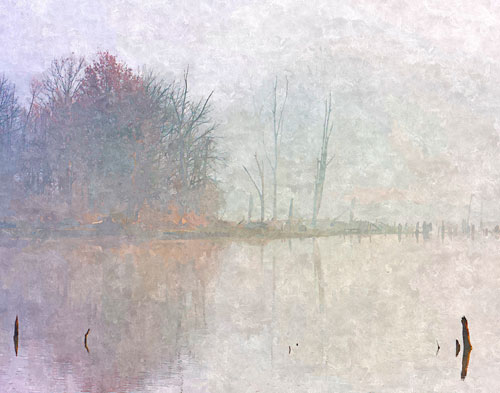
This was a shot at Muscatatuck National Wildlife Refuge in southern Indiana year ago November. I liked it without the painterly treatment but I like it even more after running it through FotoSketcher. I don’t know why David Thoiron, the developer of the software, hasn’t charged even a nominal amount for it.
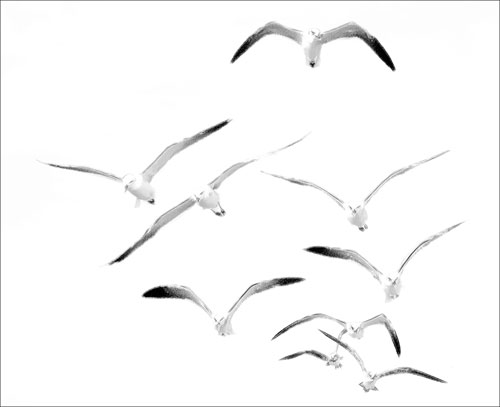
If you try it you will find there are many choices in painting styles and variations within those styles. I find it liberating.
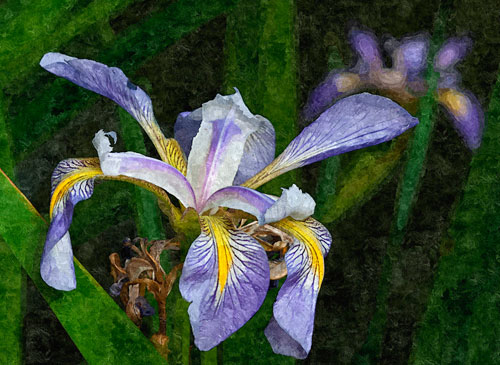
Try it, you’ll like it.
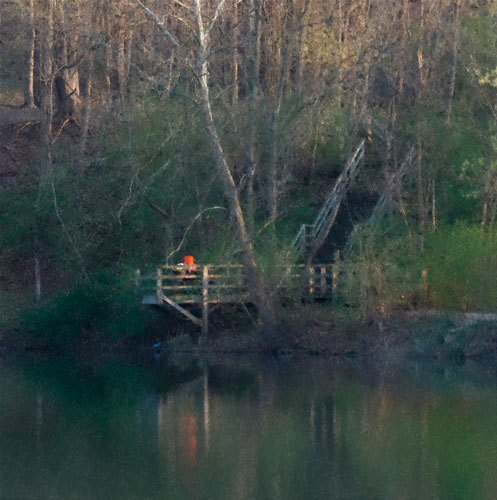
Yesterday I talked about a recent program on macro photography at our camera club. I prepared for that meeting by putting my macro lens on the camera and going out over a couple of days to get back in practice with it. The lens I use does not permit focusing any closer than about a foot away. We won’t be doing insect retinography with this lens because it can’t get that close but it does offer other possibilities at this kind of middle distance that I prefer.

What struck me was relationships between flowers. At an objective level there is nothing more there than the juxtaposition of two flowers. But images tell stories. We, as observers, become co-authors with the photographer in developing those stories. What stories do these images tell you?
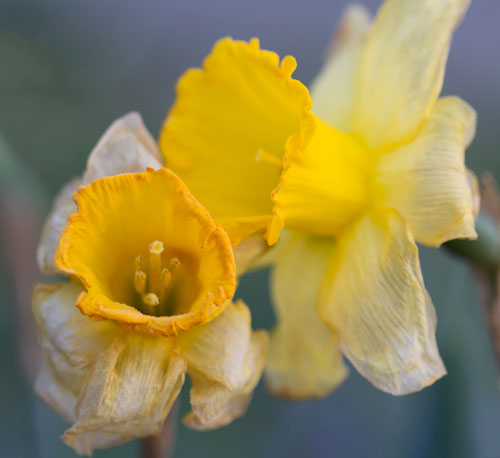

Do scenes or images of scenes communicate with you?
Our camera club was meeting last night at the Indianapolis Art Center and the topic was macro or close-up photography. This was as much workshop as lecture and a lot of people were inside taking close-ups of small objects. This is a great technique for seeing what is very small and not at all obvious to the eye busy with other sights. They were using flash and other artificial lights because it was rather dark in there. Because I don’t usually like to shoot with anything but natural light, I got out of their way and went outside. They were having a good time and doing fine work. I would find my good time outside.
I can’t tell you what kind of flowering tree this is, there are many species at the Art Center. But I did find it hugely attractive. At the time, it said “Japanese garden” to me. Getting it home and seeing it on the screen brought out a larger story.
I had started reading Jonah Lehrer’s “Imagine” the other day and this image contributed one understanding of what Mr. Lehrer was talking about. His book is about creativity. It brings in neuropsychology, personality, “mental illness” and many other areas of research in trying to better understand this most precious and human capacity that, truly, is so dimly understood. One of his points is that it’s not just the case that creativity can take any number of paths but that there are many kinds of creativity. Let’s leave it at that for the present so we can get on with this post. Read the book.
When I first saw the tree I thought I would eliminate the building and just show the tree with perhaps some flowers at the bottom. But the more I looked at it, the more I thought the building was contributing to the image. The horizontal lines in the wall and the vertical drain pipe form a frame for the tree. But while most of the tree fits within the boundaries of the frame, some of it doesn’t. And that is one part of what a lot of creativity is about. It fits to some extent in the conventional frame of reference but at the same time is moving out of the frame. If it catches on with the populace, the frame might expand.
This was not macro photography but it was made with a 100 mm f/2.8 Canon macro lens. This translates into “good lens”. More on macro work tomorrow.
In his poem ‘A Guide to the Field’, David Wagoner writes
‘Our first strange steps
On a path that leads us down on a path to its end in water.
Each look, the first.’
‘Each look, the first.’ That’s the way it felt this morning as I went out to shoot. Aside from the trip to Gary last Sunday, I haven’t been out with a camera in some time. So in a way it was ‘Each look, the first.’
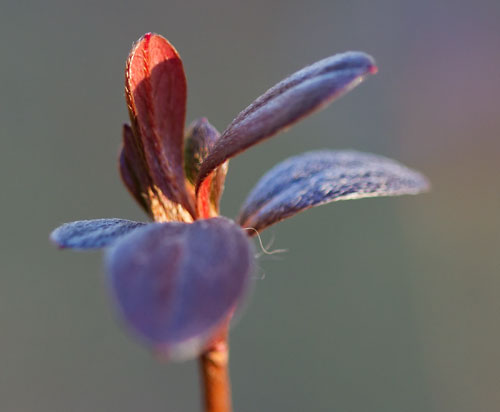
I didn’t go far, just to the azalea bush out front, to start.

And then along the driveway.

Winter is supposed to be drab. That’s not what I saw.

There’s a lot of color if we just look.

‘Each look, the first.’ But I won’t wait so long for the next outing.
Members of the camera club participated in a world wide photo walk a few weeks ago. It was brisk when we got started at 9:30 but it warmed up after a bit.
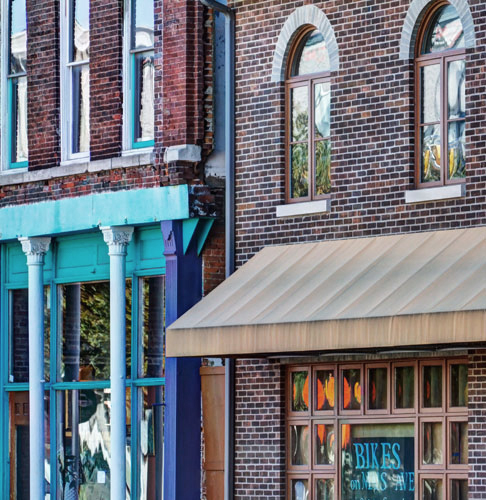 We worked in the Massachusetts Avenue area of Indianapolis, a historic area with many artists. A lot of the images I have here were created by combining images shot at different exposures (High Dynamic Range or HDR). High saturation, which is often a part of HDR images, just seemed the right thing to include with many of them.
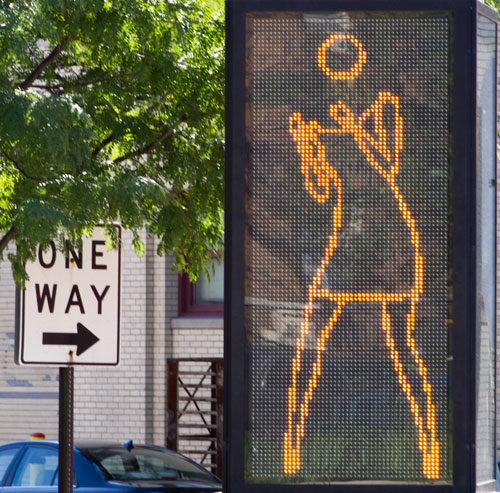 It was a go-go kind of morning.
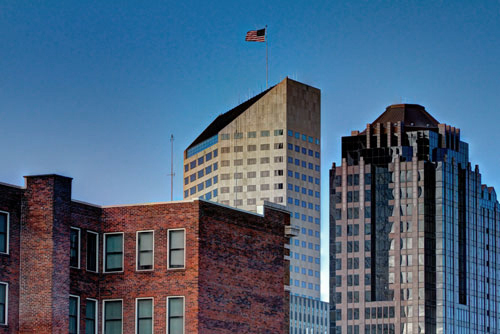 I liked seeing these three kinds of architecture together.
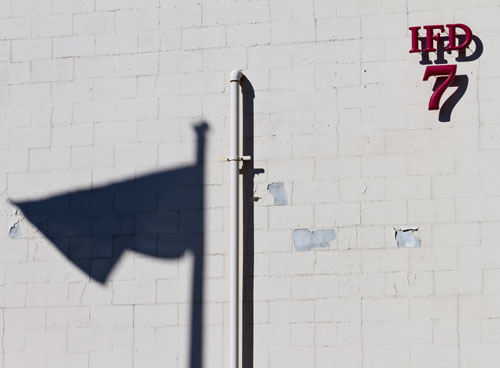 Indianapolis Fire Department Station 7.
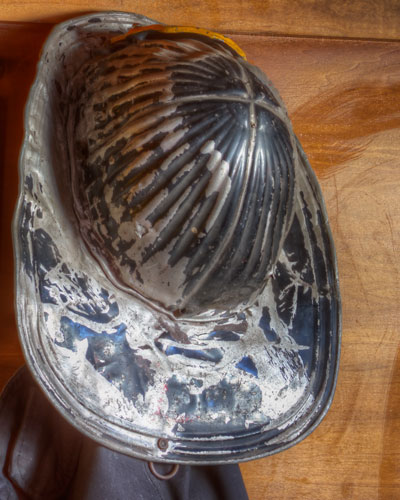 At the Indianapolis Fire Museum up the street from the fire station.
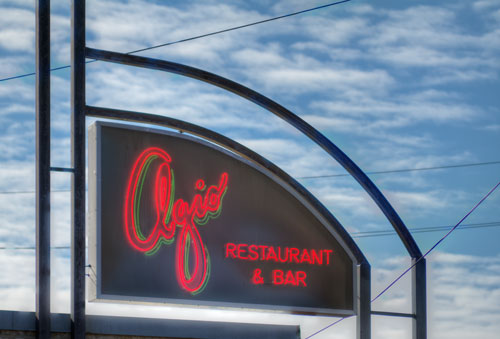 Many years ago, when I first started working at AT&T’s Bell Laboratories in Holmdel NJ, I worked on automating Directory Assistance. I learned that the DA offices often served areas far removed from their physical location. A few years after we moved to Indianapolis, my wife and I started going to the Agio Restaurant. It moved around some in those early years and when we stopped by at the last known location, it was dark on a Friday night. Moved again, but where? I called Directory Assistance and asked for the number for Agio and the operator replied “I was by there the other night and it was dark. I guess they moved.” Not the answer I expected. I’m glad to know where it is now, it’s a good restaurant.
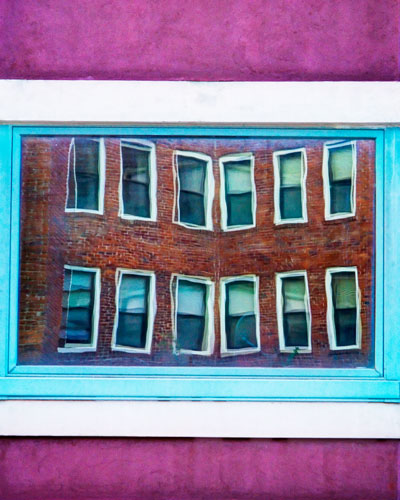
Mass Ave. An excellent place to go with a camera.
Might tunnel vision give us just a glimpse of the larger world?

Just looking helps a lot.

Photo Venture Camera Club went to Columbus, IN last Saturday to shoot architecture but it was raining. Are cell phones waterproof?

We had met at The Commons, home of Chaos, a piece designed by Swiss sculptor Jean Tinguel. I didn’t get any shots of Chaos as a whole, there were too many interesting details. You can see it at the link to The Commons above. Given that it was raining, we stayed there for a couple hours which encouraged shooting details.
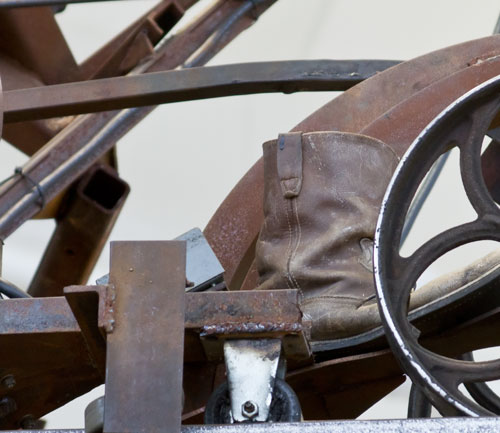
Including a boot that is part of it.

The water fountains are not part of it.

This hook isn’t either.

Still raining.
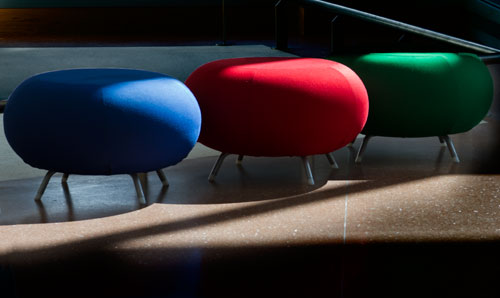
It did eventually clear up and we wandered around outside.

Nice interaction of water drops, granite and a leaf.
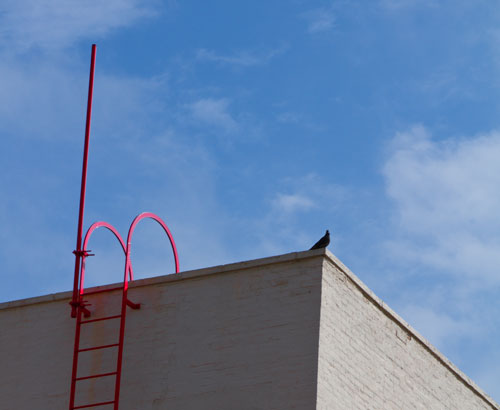
I wasn’t going to have time to get around to see the buildings designed by the likes of Eero Saarinen, I. M. Pei and others. With a population of just 39000, Columbus is ranked sixth in terms of architectural interest behind Chicago, New York, Boston, San Francisco and Washington. Not bad, not bad at all.
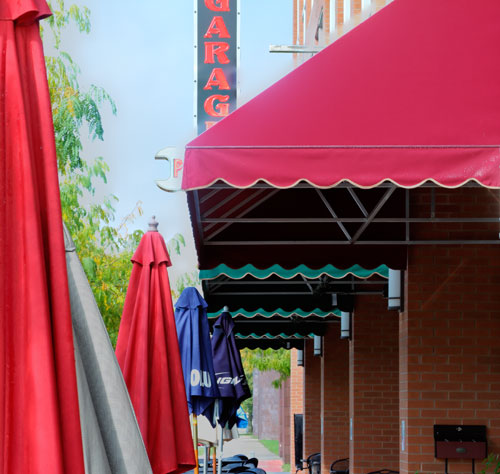
So I just stayed in the neighborhood.
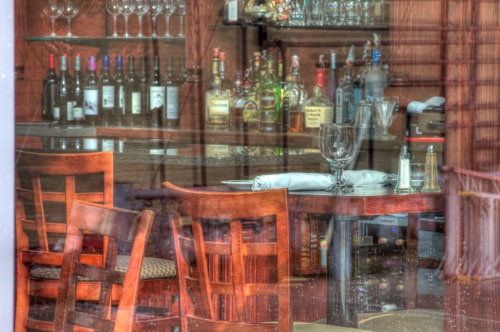
Shooting through a window can add interest.

Philip Roth wrote ‘Goodbye Columbus’. Many photographers and other visitors say ‘Hello Columbus’. Some of us will go back in a few weeks.
I was out in the front yard yesterday morning shooting some small yellow iris that have been blooming lately.

I was fairly pleased with what I was getting.
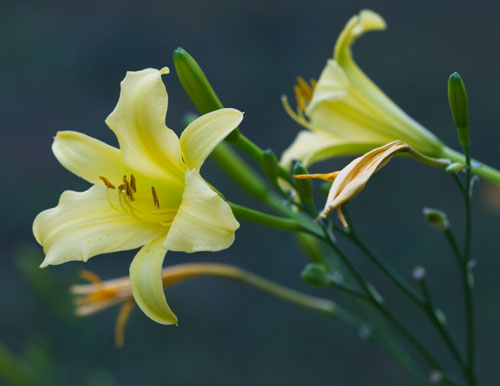
The light was diffuse and that saturated the colors.
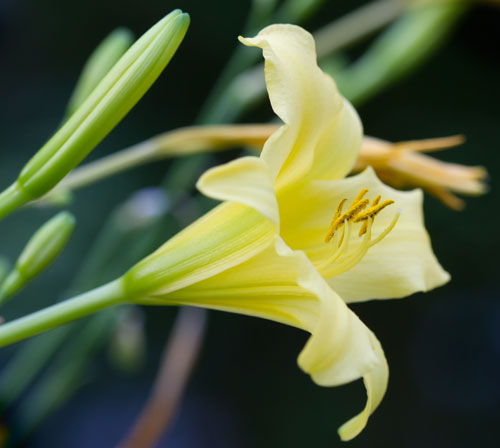
Then the light changed and that was the end of it at least until later.
I didn’t get back out until this morning and I really wanted to do better with those iris. I knew I had missed something but didn’t know what it was.
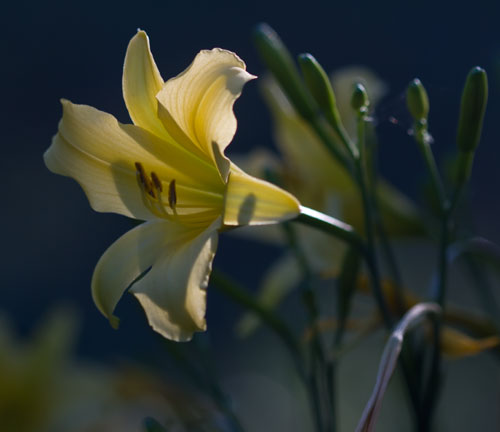
The light was different and even though I didn’t know what it was, I was farther from what I wanted than I was yesterday.

I headed back to the house and near the back door was this cleome (I think that is what it is).
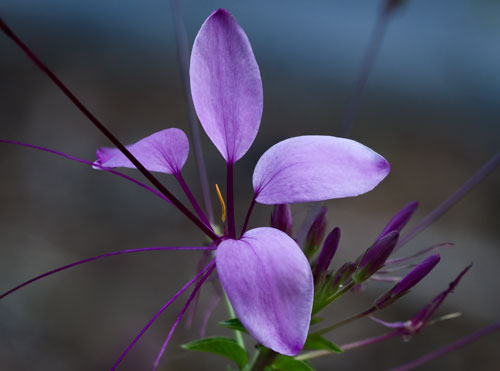
The iris yesterday were nice. The iris this morning were OK but the real gem was this flower.
I think I have part of the lesson now – going out with a tight agenda (I need better iris shots than I got yesterday) isn’t going to work if the conditions aren’t there. Sometimes it’s better to let go and just look without any agenda at all. The lesson yet to be learned is when is it time to give up one and go to the other?
 Spirit and Seeing